For teachers who'd rather be teaching

Slides that teach, drafted while you talk.

Tell Decko what you're teaching. It plans the lesson, gives each slide one idea, plots the real numbers and ends with a check for understanding. Then it keeps editing as you talk.

Any subject, any level, any language. Exports to PowerPoint and PDF.

The whole request
“Supply and demand for a first-year university economics class, about 9 slides.”

  1. Opening puzzle: A sold-out concert can still have empty seats. What does that tell us about the ticket price?
  2. Demand slopes down; supply slopes up: three columns on demand, supply and ceteris paribus.
  3. Cover slide: Supply and Demand, how markets coordinate buyers and sellers, over an illustration of a concert crowd holding tickets.
  4. A demand shift changes both outcomes: a plot of demand, supply and a dashed higher-demand line, beside three bullets.
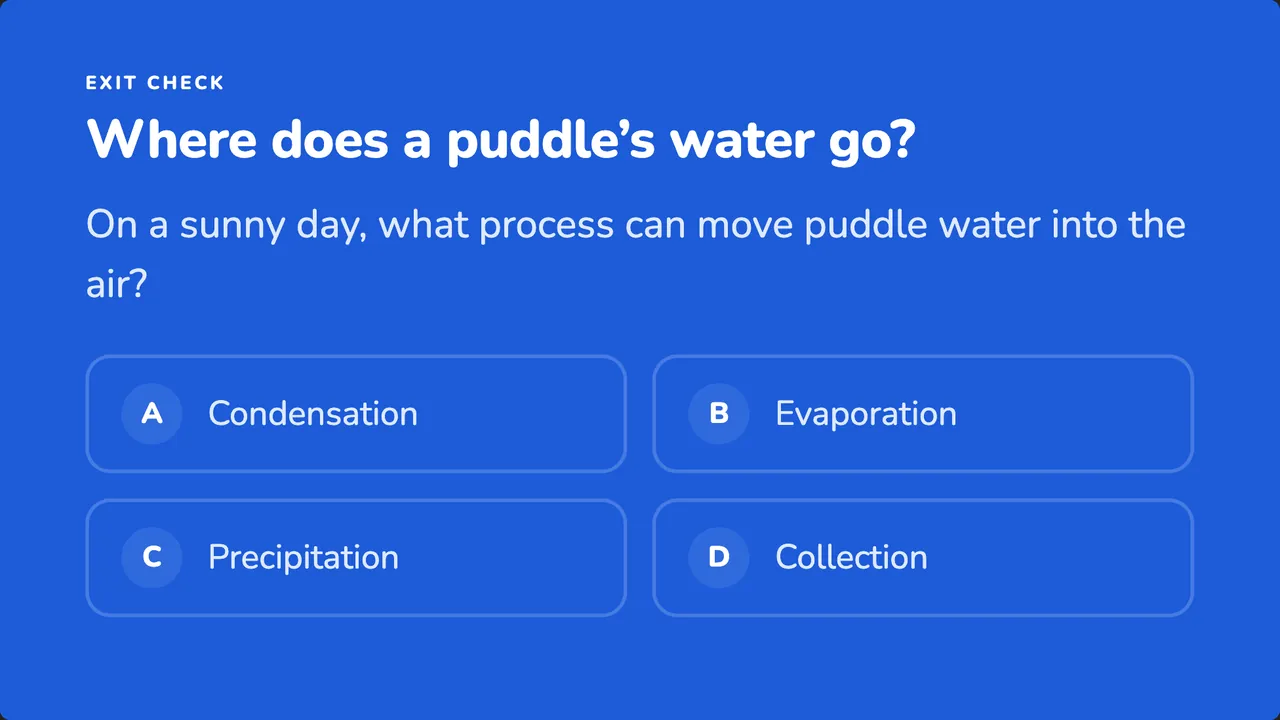
  5. Exit question: A production technology improves. What happens, all else equal? Four answer choices.

Any subject. Any level. Any language.

First drafts from twelve one-sentence requests, untouched.

Cover slide: Ancient Egypt, with the Nile winding through the desert.
History · Grade 6
Cover slide: La Revolución Mexicana, riders crossing a desert at sunset.
Historia · Secundaria
Cover slide: Cell Structure and Organelles, over a green cell illustration.
Biology · Grade 9
Cover slide: Les verbes en -er au présent, two people talking in a classroom.
Français · Débutants
Cover slide: Introduction to Derivatives, over a glowing speedometer.
Calculus · Grade 11
Cover slide: Fractions, Parts and Comparisons, with a pie cut into slices.
Math · Grade 3
Cover slide: Python Loops, a learner coding at night.
Coding · Bootcamp
Cover slide: Climate Change, the Earth's horizon at sunrise.
Science · High school
Cover slide: Persuasive Writing Techniques, students writing in class.
English · Grade 8
Cover slide: Shapes and Colors, wooden blocks in red, yellow and blue.
Kindergarten
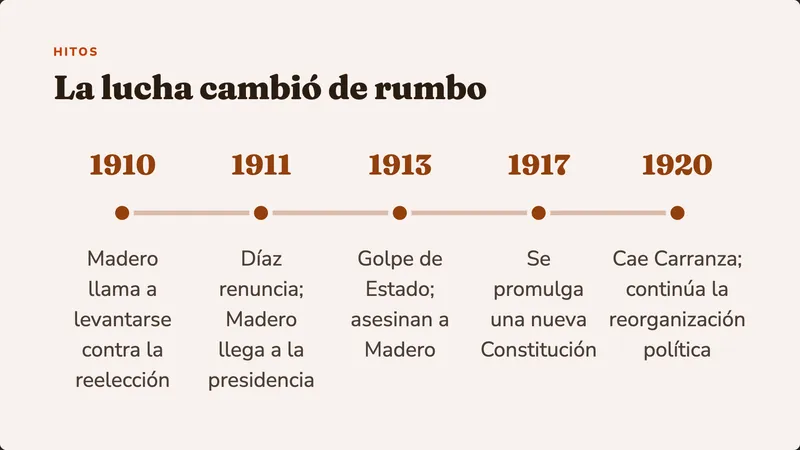
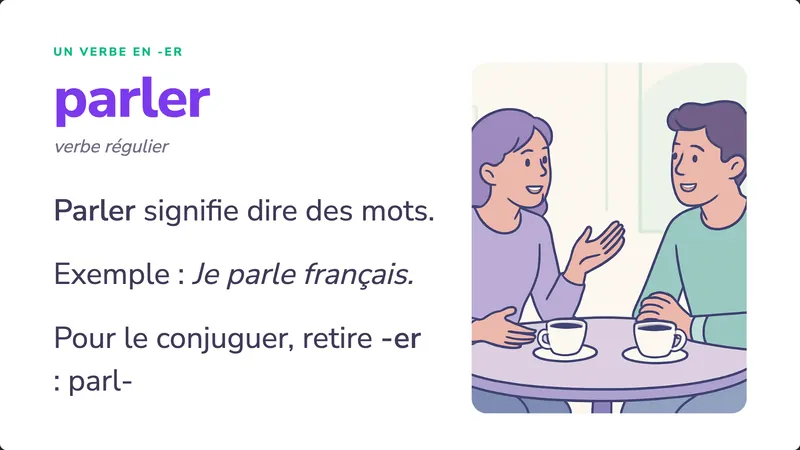
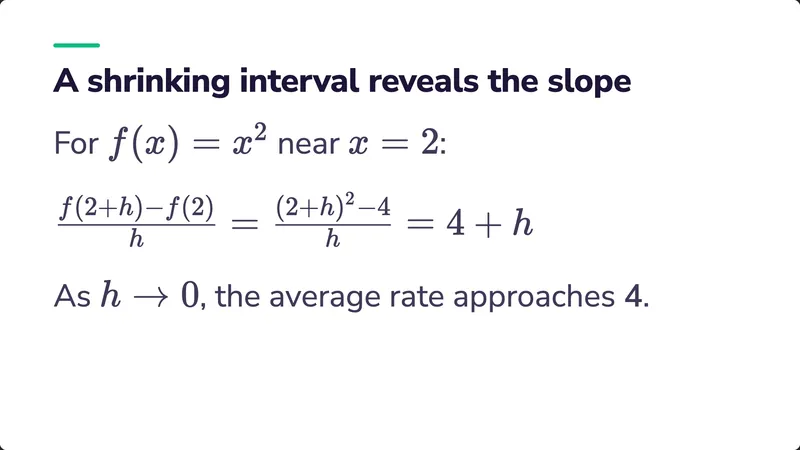
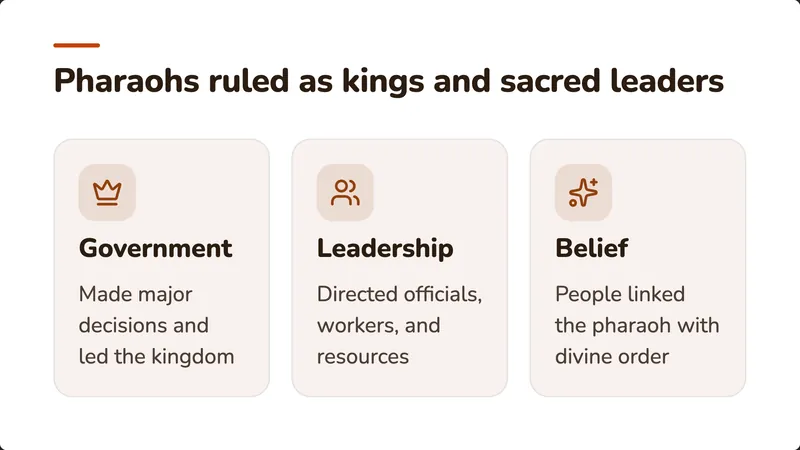
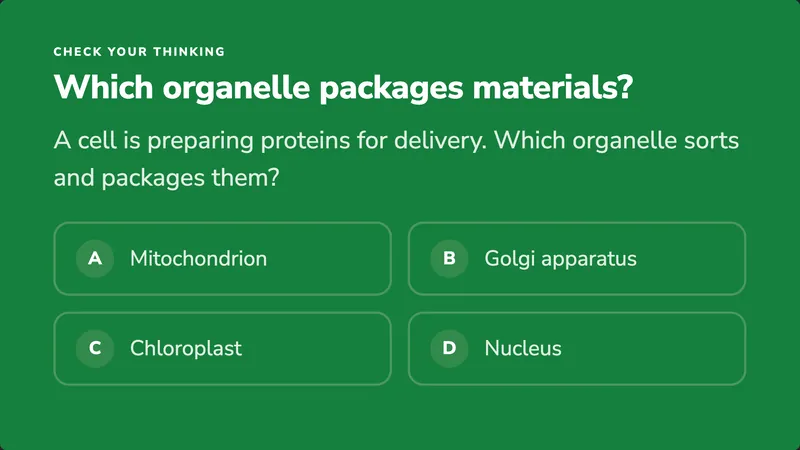
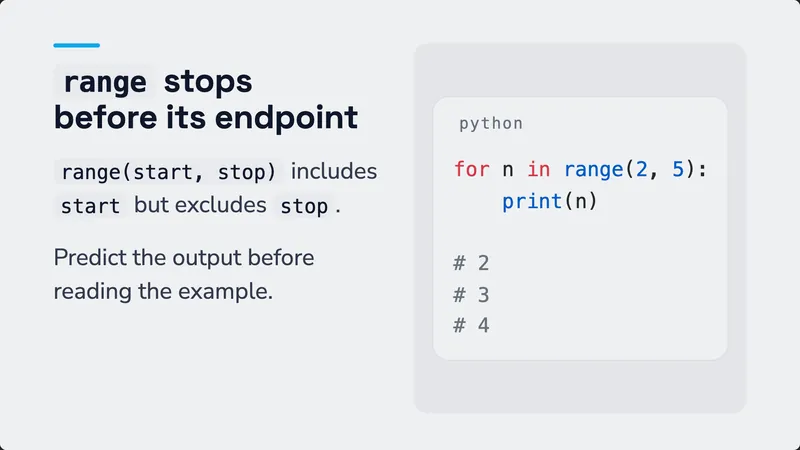
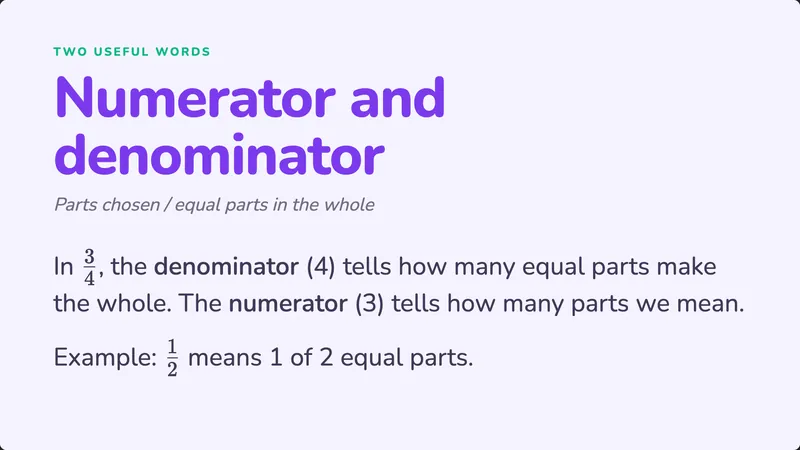
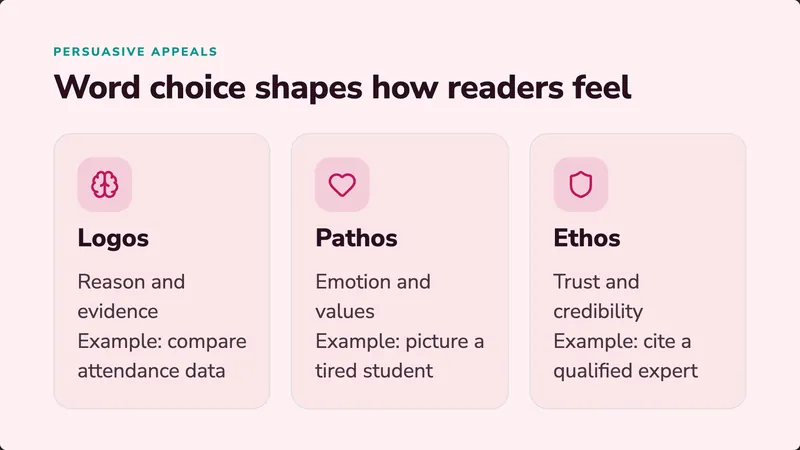
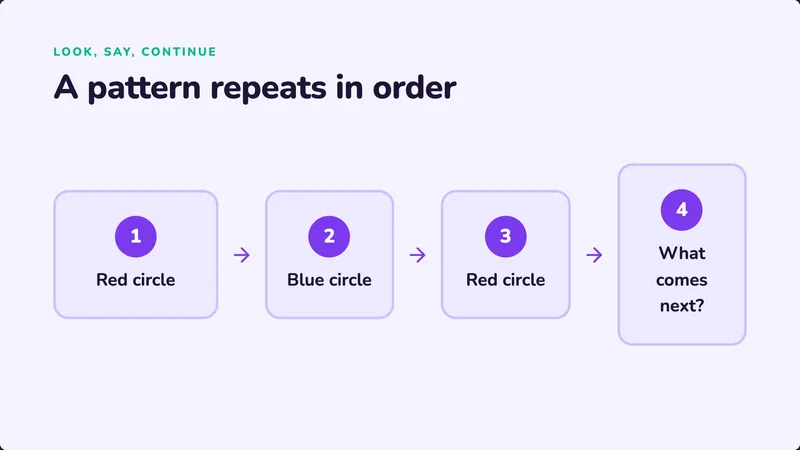
Timeline: La lucha cambió de rumbo, from 1910 to 1920.Term slide: parler, a regular -er verb, with an illustration of two friends talking.A shrinking interval reveals the slope: the difference quotient for x² near 2, worked out.Pharaohs ruled as kings and sacred leaders: three columns on government, leadership and belief.Quiz: Which organelle packages materials? Four answer choices.range stops before its endpoint: a short Python example and its output.Term slide: numerator and denominator, with three fourths as the example.Word choice shapes how readers feel: logos, pathos and ethos.A pattern repeats in order: red circle, blue circle, red circle, what comes next?

One real deck, marked up

Built like a lesson, not a pile of bullets.

This is the supply and demand deck from the request above, exactly as Decko drafted it. Here's what it did that a template wouldn't.

  1. Opening puzzle: A sold-out concert can still have empty seats. What does that tell us about the ticket price?

    Opens on a puzzle

    A sold-out concert with empty seats: a question the class can't answer yet, so they want to.
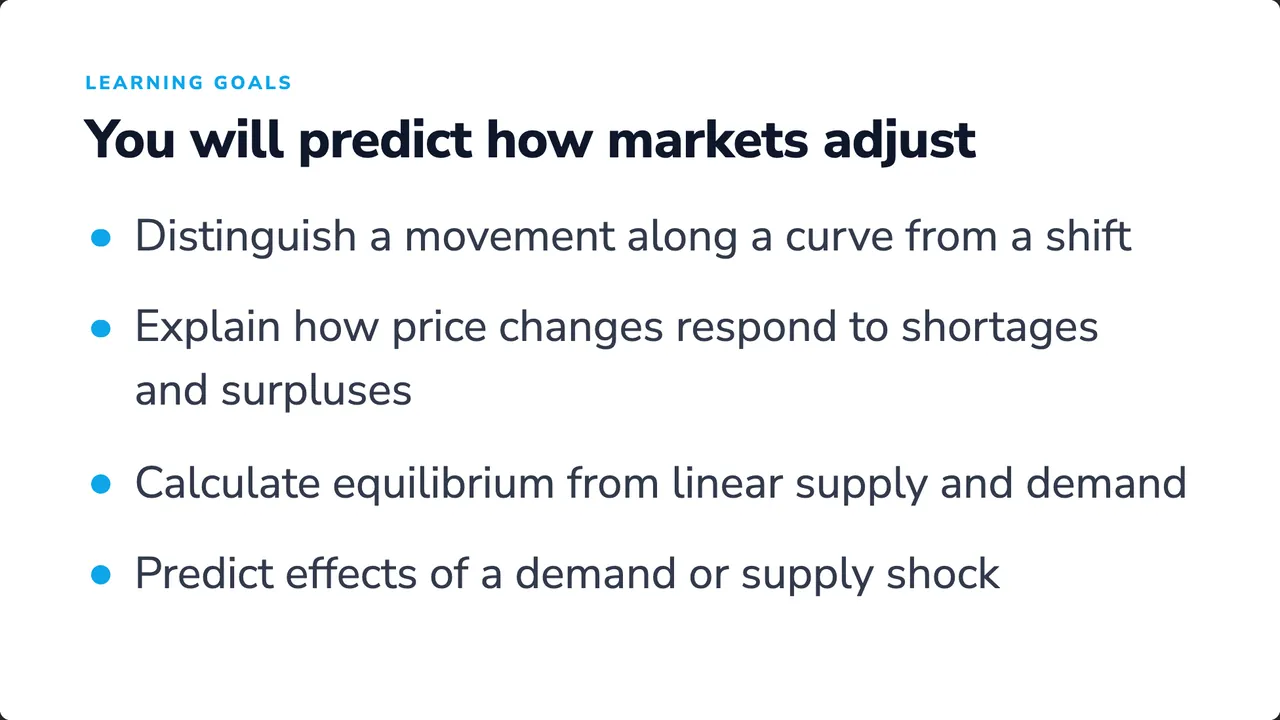
  2. Learning goals: you will predict how markets adjust, from shifts along a curve to equilibrium.

    Says where it's going

    Goals the students can check themselves against by the end.
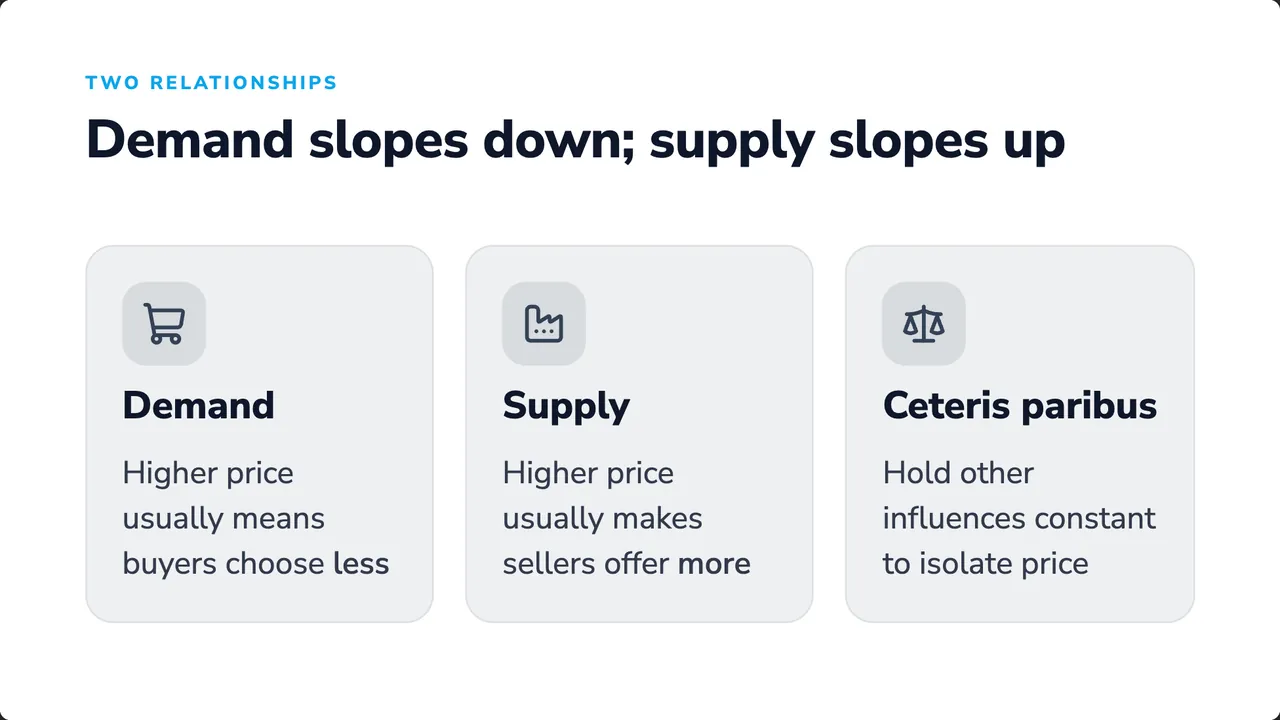
  3. Demand slopes down; supply slopes up: three columns on demand, supply and ceteris paribus.

    Titles carry the argument

    Each title states a claim. Read only the titles and you still get the lesson.
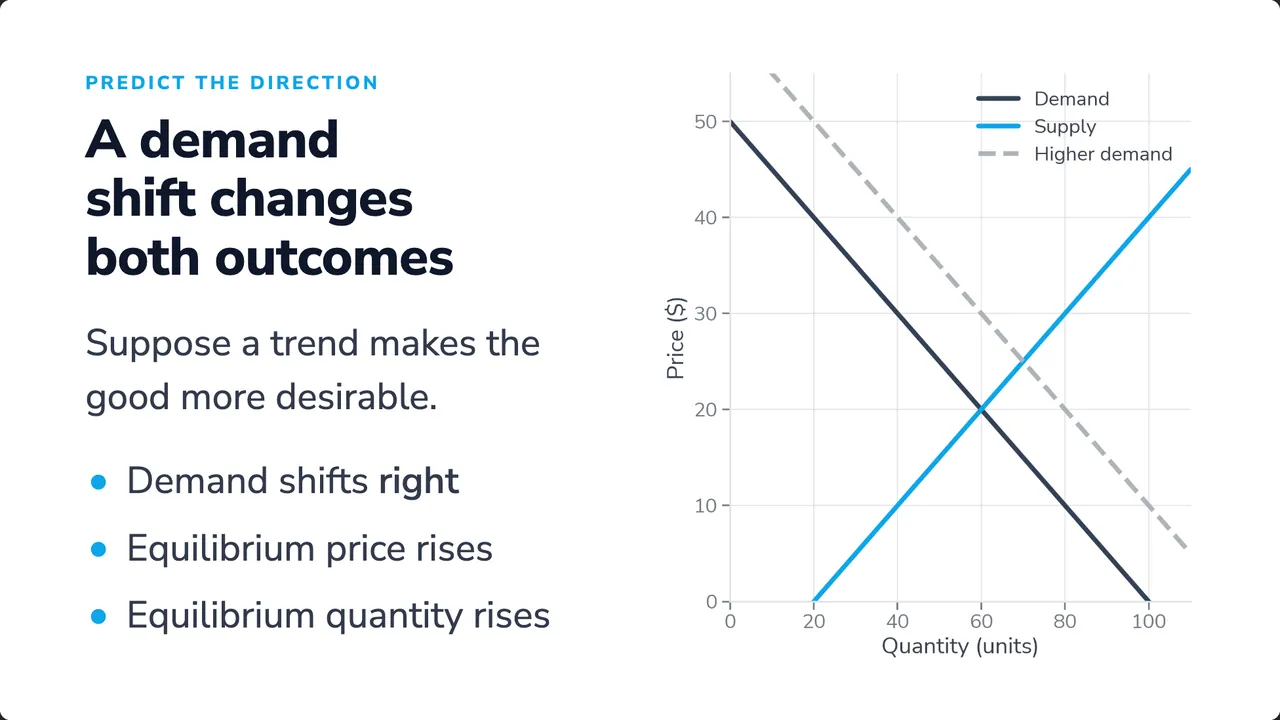
  4. A demand shift changes both outcomes: a plot of demand, supply and a dashed higher-demand line, beside three bullets.

    Draws the real curves

    Plotted in Python from the equations, so the shift lands where the math says it does.

  5. Section slide: Part 2, Shifts and new equilibria, over an illustration of a busy market stall.

    Pictures made for this class

    Illustrations drawn for this lesson, in one style across the deck. No stock photos.
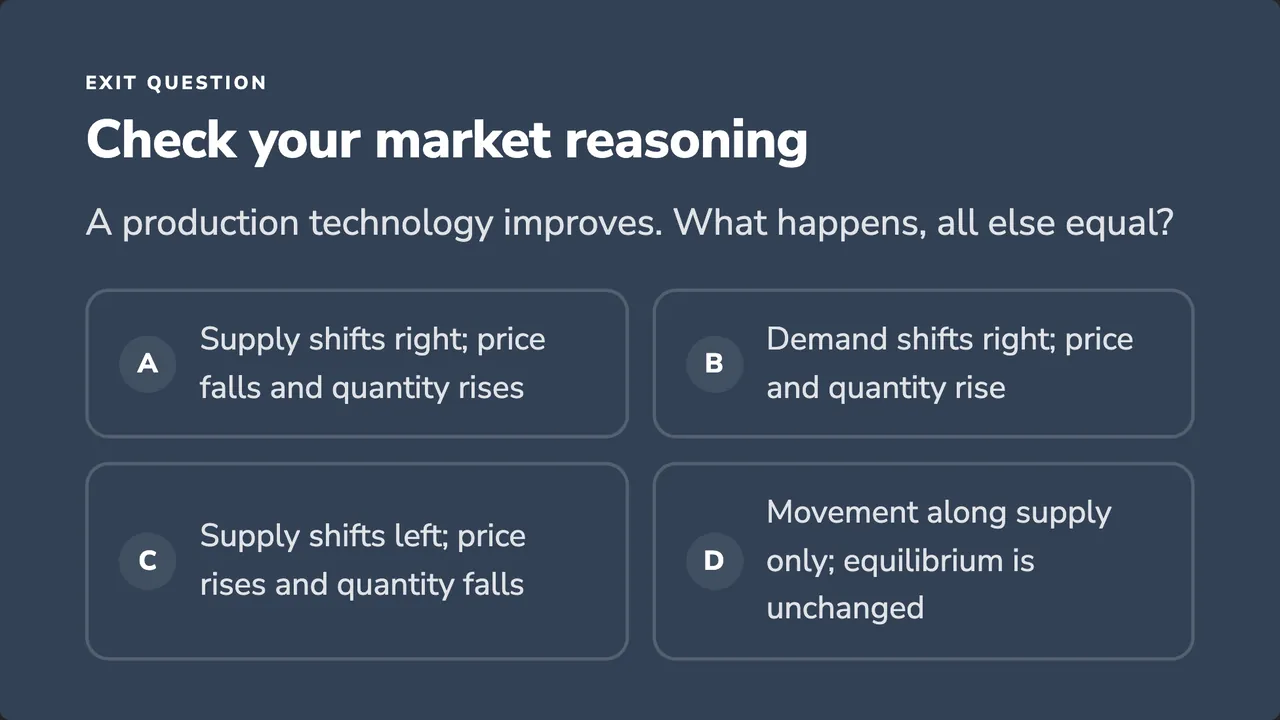
  6. Exit question: A production technology improves. What happens, all else equal? Four answer choices.

    Ends on a check

    One question to see who got it, which students can answer live from their phones.

Real numbers, drawn right

When the lesson needs a graph, Decko does the math.

It writes the Python, runs it in a sandbox and puts the plot on the slide in your deck's colors and type. Change the theme and the plot is redrawn to match. Ask for a change and it draws it again.
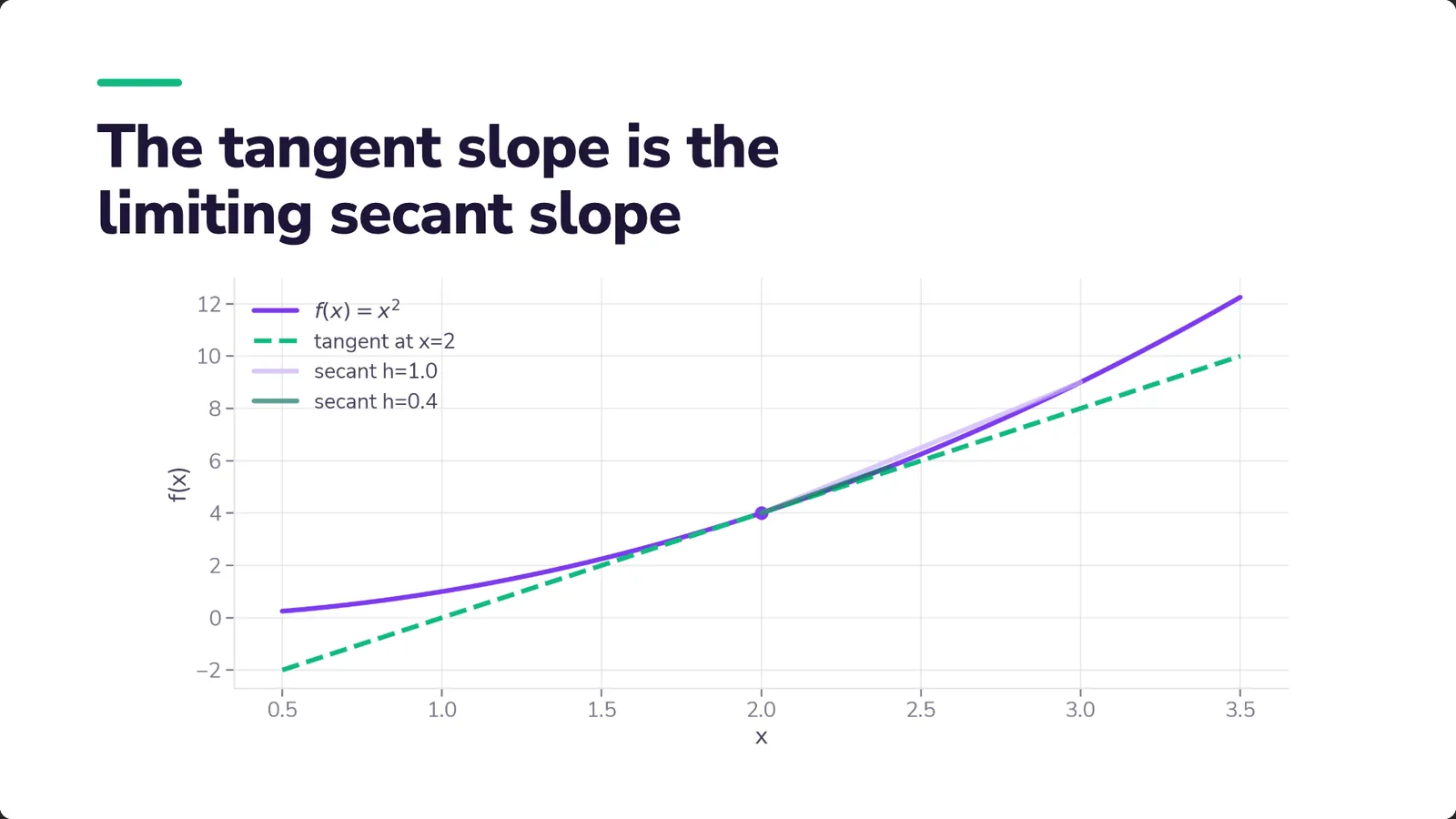
The tangent slope is the limiting secant slope: a plot of f(x) = x² with a dashed tangent at x = 2 and two secant lines.
Introduction to Derivatives, slide 7: drawn from the code beside it.
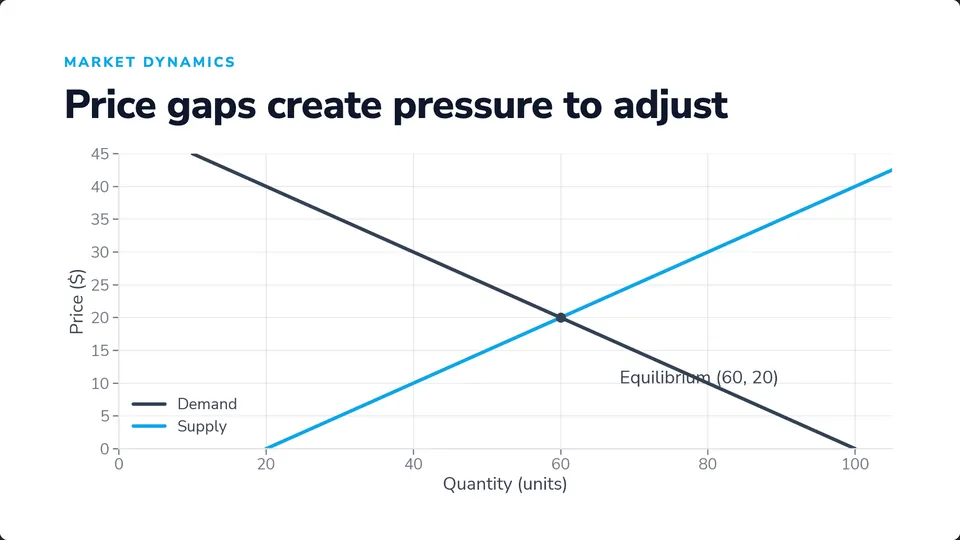
  • Price gaps create pressure to adjust: a plot of demand and supply crossing at the equilibrium (60, 20).

    Economics: where the curves cross

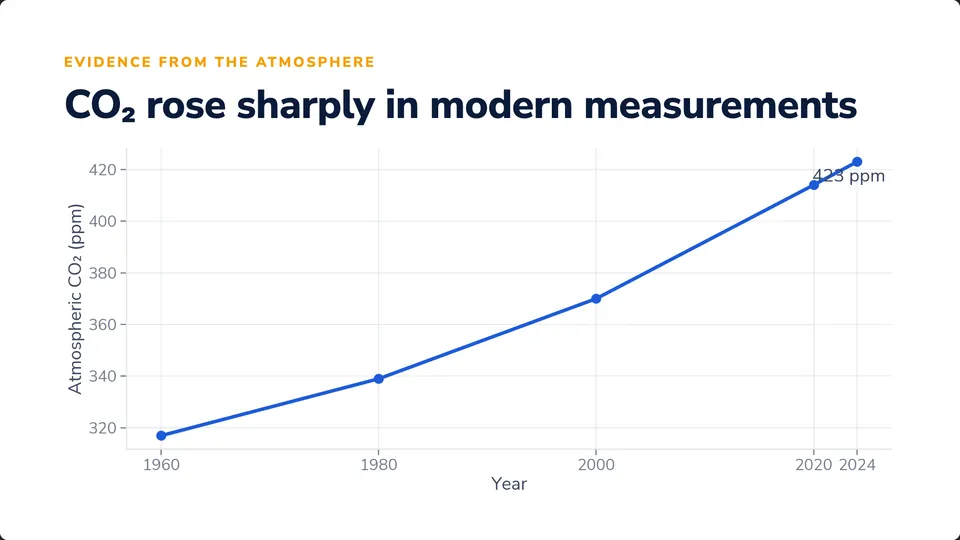
  • CO₂ rose sharply in modern measurements: a line plot from 317 ppm in 1960 to 423 ppm in 2024.

    Climate: measured CO₂, 1960–2024

plot.pyPython Decko wrote and ran
x = np.linspace(0.5, 3.5, 300)y = x**2ax.plot(x, y, label='$f(x)=x^2$')ax.plot(x, 4*x - 4, linestyle='--', label='tangent at x=2')for h in [1.0, 0.4]:    xx = 2 + h    m = (xx**2 - 4) / h    ax.plot([2, xx], [4, xx**2], alpha=0.7, label=f'secant h={h}')ax.scatter([2], [4])ax.set_xlabel('x')ax.set_ylabel('f(x)')ax.legend()

How it works

One conversation, start to class.

Describe the lesson, attach your notes or a PDF, and watch the deck come together beside the chat. Every message after that edits it in place.
The Water Cycle · Grade 5
Your slides appear here
The water cycle for 5th graders, short and visual.

Then just keep talking.

The first draft is only the start. Ask the way you'd ask a colleague, and Decko restructures the deck, adds slides and redraws figures while you watch.

  • “Add a quiz at the end”+1 slide
  • “Make it shorter and more visual”9 → 6 slides
  • “Add speaker notes to every slide”Notes on 6 slides
  • “Simpler words, it's for my support group”Reworded
  • “Make the supply curve steeper on that graph”Plot redrawn

Everything around the slides

Ready before class, useful during it.

01Before class

  • A second read

    Decko reviews the deck for goals, pacing, level and accuracy, and hands you each fix as a message to send.

  • A version for every group

    Easier, more challenging, for younger students, or the same lesson in another language.

  • Starts from your material

    Attach a PDF or your notes, or import a PowerPoint to rework.

  • Your look, saved

    Pick the colors, type and picture style once, and keep them for the next deck.

02In class

  • Present from the browser

    Speaker notes, a timer, and points that appear one at a time.

  • Live answers from phones

    Students join with a code or a QR and answer the quiz on screen; the results fill in beside the slide.

  • A worksheet to hand out

    Printable questions from the same lesson, with an answer key for you.

03After class

  • Share a link

    A read-only copy students can page through, no account needed.

  • PowerPoint and PDF

    Editable PowerPoint and print-ready PDFs that match what you saw in the studio.

Your next class is one sentence away.

Say what you're teaching, watch the deck come together, and walk into class ready.

Start a presentation